


How to Prepare Your Hydraulics in Cold Weather
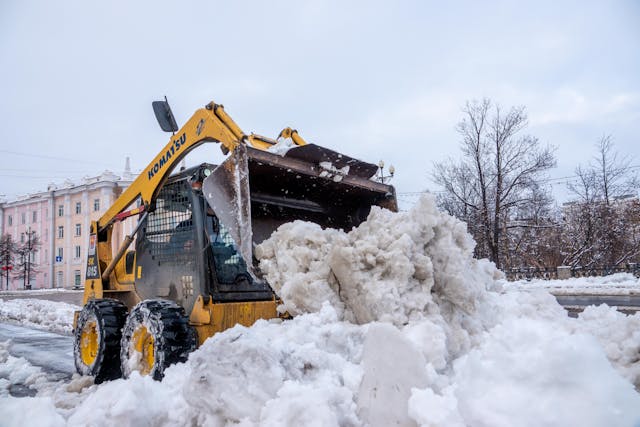
Hydraulic systems are integral to many industries, requiring special care and attention as temperatures drop. Cold weather directly impacts these systems, slowing operations and potentially causing damage. Ensuring proper preparation for your hydraulics in cold weather is vital to keeping your machinery running efficiently and avoiding costly downtimes. So, does cold weather affect hydraulics? Here’s how to prepare your hydraulics for the chilly months and address potential problems.
Choose the Right Hydraulic Fluid
Selecting the appropriate hydraulic fluid is crucial in cold weather. Fluids formulated for freezing temperatures generally have a lower viscosity, so they flow more easily, even in the cold. This adaptability is vital for industries relying on hydraulic efficiency, as it reduces the strain on machinery and ensures smooth operation. Leading hydraulic fluid brands understand the importance of matching the fluid characteristics with the environmental conditions to maintain the ideal performance levels of hydraulics in cold weather. Transitioning to a cold-weather hydraulic fluid is necessary for sustaining system integrity and uptime during harsh conditions.
Monitor Fluid Levels and Quality
Cold temperatures can cause hydraulic fluids to contract, affecting levels. Regular checks on fluid levels are essential to ensure adequate pressure and operational efficiency. Low fluid levels can lead to insufficient pressure, hampering system effectiveness. Additionally, inspecting fluid quality is crucial. Water contamination, often neglected, poses a significant risk as freezing temperatures can turn water into ice, obstructing flow. When preparing hydraulics in cold weather, maintaining clean, uncontaminated fluids is more than routine—it’s a critical practice to safeguard system longevity and performance. Frequent monitoring helps anticipate issues before they escalate, keeping hydraulic systems resilient in extreme weather.
Insulate Hydraulic Components
Insulating hydraulic components, particularly lines and reservoirs, is an effective method to maintain internal temperatures. Insulation contributes to consistent performance by preventing the fluid from thickening and parts from freezing. On very cold days, utilizing temporary heating solutions can be a game-changer, helping maintain the system’s temperature before operations begin. For businesses that rely on hydraulic systems and components, ensuring that systems are physically prepared for cold weather is vital for maintaining optimal performance. Insulating hydraulic components in cold weather is a proactive strategy to uphold operational reliability during challenging weather conditions.
Regular System Inspections
Conducting regular inspections during colder months is invaluable. Components like hydraulic hoses, seals, and connections are vulnerable to leaks or cracks since cold weather can cause materials like rubber to become brittle. Brittle components are prone to breaking, leading to fluid loss or decreased pressure. As part of regular hydraulic system maintenance, routinely inspect these components for signs of wear or damage and replace them as necessary to prevent potential system failures. This enables effective management of system reliability and efficiency. Operators can enhance equipment durability by implementing a consistent inspection schedule that addresses vulnerabilities specific to hydraulics in cold weather, prolonging the system’s lifespan.
Implement Gradual Warm-Up Procedures
Rather than initiating hydraulic systems at full capacity, it’s advisable to employ gradual warm-up procedures, especially in cold environments. By using slow movements and cycling through various functions, operators can ensure the fluid is distributed evenly throughout the system, allowing components to adjust and adapt gradually. This careful approach minimizes stress on mechanical elements, prevents sudden pressure spikes, and ensures even pressure distribution across seals and joints. Potential cold-weather-related issues such as thermal shock are mitigated as the system warms, promoting longevity and stability. Ultimately, this ensures operational reliability in challenging conditions.
Ensure Proper Storage of Hydraulic Equipment

Proper storage of hydraulic equipment in cold weather is essential to maintain functionality and extend the life of the machinery. Cold weather can adversely affect components like hoses and seals, which may become brittle and prone to damage. To avoid this, keep equipment in a stable, controlled environment to minimize exposure to frost and ice. Consider heated storage options for critical machinery to maintain a consistent temperature that preserves the equipment’s integrity, ensuring it remains operationally ready. Periodically inspect stored equipment for signs of wear and tear, as stored equipment can also deteriorate.
Learn More at G&G Hydraulics
So, does cold weather affect hydraulics? Yes, it impacts hydraulics in cold weather. However, with the proper preparation, you can ensure their continued efficiency. Implementing strategies like appropriate storage and maintenance ensures hydraulic systems withstand harsh winter climates. If you need hydraulic supplies for maintenance, G&G Hydraulics has a wide selection of high-quality hydraulic components. We provide the necessary support and supplies to maintain the peak performance of your hydraulic systems. Explore our blog or contact us to learn how we can assist you.

A. Garrett is the President and CEO of G&G Hydraulics Corporation, where he leads with a passion for innovation and excellence. He holds a Finance MBA and a Mechanical Engineering degree specializing in high-pressure hydraulics and fluid dynamics, with additional specializations in mechatronics. Under his leadership, G&G has become a leading supplier of hydraulic and pneumatic components and accessories. Garrett has spearheaded the company’s growth and development, driving advancements in technology and prioritizing top-notch customer service...
Comment(s)
Recent Posts

Different Types of Hydraulic Pumps for Real-World Jobs
August 04, 2026


How Hydraulics Improve Efficiency in Manufacturing Processes
April 06, 2026

Hydraulics and Pneumatics What's the Difference?
March 30, 2026