


Different Types of Hydraulic Pumps for Real-World Jobs
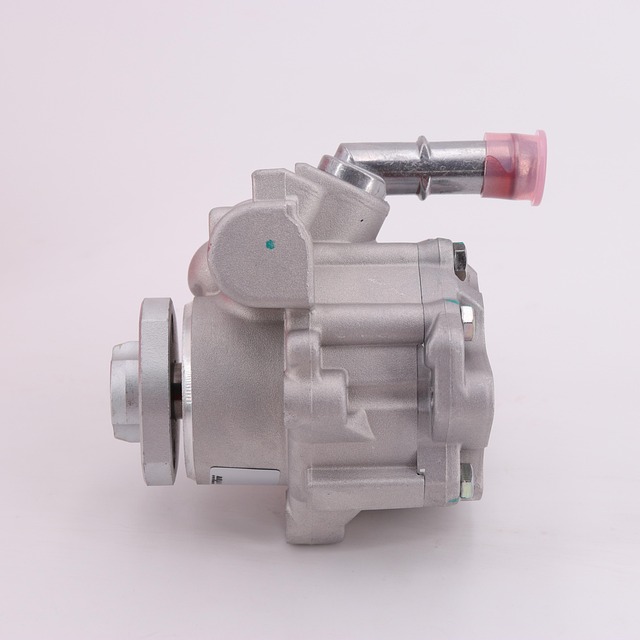
Takeaways:
- Check pressure, flow, stroke length, oil volume, and cycle frequency before shopping by pump style.
- Shop-air, electricity, and gas engines all excel in certain applications.
- Controls, couplers, portability, reservoir size, and fittings affect how the pump feels in daily use.
- Properly matched pumps, cylinders, and tools run cooler and behave more predictably.
Hydraulic pumps can fool you if you only compare ratings. Two units may carry similar pressure numbers, yet one is better suited to a service cart while the other belongs near a press or production fixture. The main types of hydraulic pumps overlap a little on paper. On the floor, the differences show up quickly.
That is why comparing the different types of pumps used in hydraulic system applications should begin with the actual load, not the catalog category. PSI matters. No argument there. But oil flow, heat, power source, valve control, and the rest of the circuit decide whether the setup feels right or becomes a nuisance.
Start With What the Pump Has to Do
A hydraulic pump that “has enough pressure” may still be a poor match. And there can be a myriad of reasons why. Among the types of hydraulic pumps available, the right choice starts with how the equipment is actually used.
Before choosing equipment, get these basics straight:
- Working pressure during normal use, not only the highest rating shown
- Flow needed for the cylinder or tool to move at a practical pace
- Cylinder style: single-acting or double-acting
- Power available where the work is happening
- Mounted pump, bench pump, cart-mounted unit, or field setup
- Oil volume needed for the full stroke and return
This is the unglamorous part of pump selection. It is also where many expensive mistakes get caught.
The Different Types of Hydraulic Pumps

Manual Hand Pumps
Hand pumps are still useful because they are simple. No cord, no compressor line, no engine to maintain. For occasional lifting, pressing, clamping, testing, or small maintenance jobs, that simplicity is often the point. When people compare different types of pumps used in hydraulic systems for occasional work, hand pumps often stay on the list longer than expected.
They also give the operator a good feel for the work. Pressure builds gradually, movement is easy to stop, and the setup stays compact.
But hand pumps ask for patience. Long strokes, repeated cycles, or higher oil volume can make manual types of hydraulic pumps feel very slow.
Pumps That Run on Shop Air
In a plant with steady compressed air, air-driven pumps can be a good fit for presses, fixtures, jacks, and hydraulic tools. They put force where it is needed without adding a motor at the workstation, which keeps some setups simpler. Of the pumps used in shops, pneumatic units depend heavily on the quality of the air supply.
The air supply still has to pull its weight. If the compressor is already strained, or a line loses pressure during busy periods, the hydraulic side will usually show it. For this type of hydraulic pump, moisture in the air can cause trouble too. Some air-powered pumps stall at pressure, which is useful, but they still need enough air volume to reach that point.
Before relying on a pneumatic pump for daily work, review the air requirement, hydraulic output, duty cycle, and noise level.
Electric Pump Setups
When it comes to different types of pumps used in hydraulic systems, electric pumps are usually the better fit when the job repeats often, or the operator should not be pumping by hand. They are common in shops and service departments because they give steady output without much physical effort. For many buyers comparing types of hydraulic pumps, electric models become the practical middle ground.
Power supply comes first. Some applications run on common shop voltage, while others need heavier industrial electrical service. Controls matter next. A foot switch may be perfect for one press; a pendant or remote control may make more sense for another cylinder setup.
For many users, these are less portable than a small hand pump, yes, but much better when speed and repeatability matter.
Gasoline-Driven Units
Gasoline-driven pumps earn their keep where power outlets and compressed air are not reliable. Field repair, construction, remote maintenance, and heavy equipment service are the obvious examples. They are one of the types of hydraulic pumps to consider when the work happens away from the building.
They offer independence, which is valuable. They also bring fuel, exhaust, engine maintenance, noise, and ventilation into the conversation. Outdoors or in rough-service settings, that tradeoff may be perfectly reasonable. Inside a clean production area? Usually not.
The Importance of Compatibility

Compatibility is bigger than pressure rating when choosing between different types of pumps used in hydraulic systems. The pump has to fit the cylinder type, couplers, hose ends, oil requirements, valve style, and control arrangement. A single-acting pump setup, for example, should not be treated as a drop-in answer for a double-acting tool. The best types of hydraulic pumps are chosen with the full circuit in mind.
Surrounding components matter. Some systems use parts such as high-pressure solenoid valves, a Parker Skinner valve, Peter Paul valves, or a 3-way solenoid valve to manage fluid movement. Pump choice should support the full setup.
A Note on Pump Reservoirs
If you have too little reservoir capacity, it can cause trouble. Too much adds weight and makes a portable pump awkward. The right size is tied to oil demand, heat control, and equipment handling!
How to Narrow the Choice
- Confirm cylinder or tool specifications.
- Match pump pressure to the required force.
- Choose flow and type of hydraulic pump based on the movement speed the job needs.
- Pick the power source that fits the work area.
- Compare reservoir capacity with total oil demand.
- Review controls, fittings, portability, and accessories before ordering.
That sequence keeps the decision tied to the equipment on the floor.
Final Check Before Choosing
The best pump isn’t always simply the largest, fastest, or highest-priced unit on the shelf. G&G Hydraulics Corporation carries many different types of pumps used in hydraulic systems, as well as cylinders, valves, hoses, couplings, and related components for customers working from exact part numbers as well as customers still sorting through what type of hydraulic pump they need. Specs, part numbers, customer reviews, and help from an experienced team can make the choice less frustrating. If a specific application has you comparing pump options, contact G&G Hydraulics for help matching the right equipment to the job.

A. Garrett is the President and CEO of G&G Hydraulics Corporation, where he leads with a passion for innovation and excellence. He holds a Finance MBA and a Mechanical Engineering degree specializing in high-pressure hydraulics and fluid dynamics, with additional specializations in mechatronics. Under his leadership, G&G has become a leading supplier of hydraulic and pneumatic components and accessories. Garrett has spearheaded the company’s growth and development, driving advancements in technology and prioritizing top-notch customer service...
Comment(s)
Recent Posts


Different Types of Hydraulic Pumps for Real-World Jobs
August 04, 2026


