


Hydraulic Pump Troubleshooting: A Basic “Do’s and Don’t’s” Guide

Key Takeaways:
- Many problems often trace back to fluid condition, filtration, suction trouble, or relief-side problems.
- The fastest way through it is a clean sequence: check the oil, inspect for air leaks or restrictions, verify pressure, then start separating valve issues from downstream ones.
- Cavitation and aeration are easy to mix up at first, but they come from different places and leave different evidence behind.
Hydraulic systems usually tip their hand before a pump finally gives up. When a hydraulic pump goes awry, cycle times stretch out, the unit sounds different, and pressure starts wandering.
Don’t Jump to Conclusions
That does not automatically mean the pump itself is the culprit. A lot of the time, it is responding to something upstream or elsewhere in the circuit – low oil, dirty fluid, a plugged suction strainer, or a valve that is not behaving as it should.
Common Signs that “Something Is Wrong”
Start with the symptom - not the assumption!
|
Symptom: |
Often Points to: |
|
Slow actuator speed |
Low flow, suction restriction, worn pump, bypassing valve |
|
Noise or whining |
Cavitation, aeration, low reservoir level, and inlet leak |
|
Pressure loss |
Relief valve issues, internal leakage, or worn pump elements are found during hydraulic pump troubleshooting |
|
Heat buildup |
Fluid bypass, incorrect viscosity, excessive restriction |
|
Jerky motion |
Air in oil, inconsistent flow, sticking valve |
Patterns matter here. Noise only at startup can point to thick fluid or a suction-side restriction. Noise under load deserves a harder look at inlet conditions, contamination, and wear.
Pump Problem or System Problem?
This is where familiarity with your hydraulic pump becomes essential. From the operator’s seat, a tired pump and a sound pump feeding a bad circuit can look almost the same.
If the drive motor is running at normal speed, begin with the obvious system checks:
- Start hydraulic pump troubleshooting by checking the reservoir level and oil condition.
- Look over suction lines for collapse, loose fittings, or damaged seals.
- Inspect filter indicators and strainers.
- Make sure the relief valve is not hung open or adjusted too low.
- Check system pressure and flow, if the setup gives you a way to do it.
- Isolate downstream components that may be bypassing oil.
That sequence saves expensive guesswork. Otherwise, it’s too easy to blame the pump. The real problem is a restriction or an air leak.
Hands-On Checking: Step-by-Step
-
Look at the fluid first
The oil can usually tell you a lot if you pay attention to it during hydraulic pump troubleshooting. Foamy oil can point to aeration. Milky oil often suggests water contamination. Oil that feels too thick when cold may be fighting the whole system before it has had a chance to warm up.
-
Pay attention to the sound
Cavitation usually comes across as rougher and more abrasive – almost like gravel. Aeration tends to be less consistent, and you may also spot bubbles in the reservoir. Either one can do damage if it keeps going.
-
Check the suction side
The inlet side gets ignored all the time. A blocked suction strainer can derail hydraulic pump functionality, while an undersized hose, cracked fitting, or flattened line can starve the pump and create noise, heat, and low output fast.
-
Verify pressure under load
If pressure never reaches target, the pump may be worn, but do not stop there. Relief settings, cracked seats, internal cylinder leakage, and valve bypass can all steal performance.
-
Inspect heat and leakage
Excessive case drain flow, hot housings, or persistent external leakage can point toward wear. So can a system that gets hot fast, even when demand is modest.
A Few Causes Get Misdiagnosed
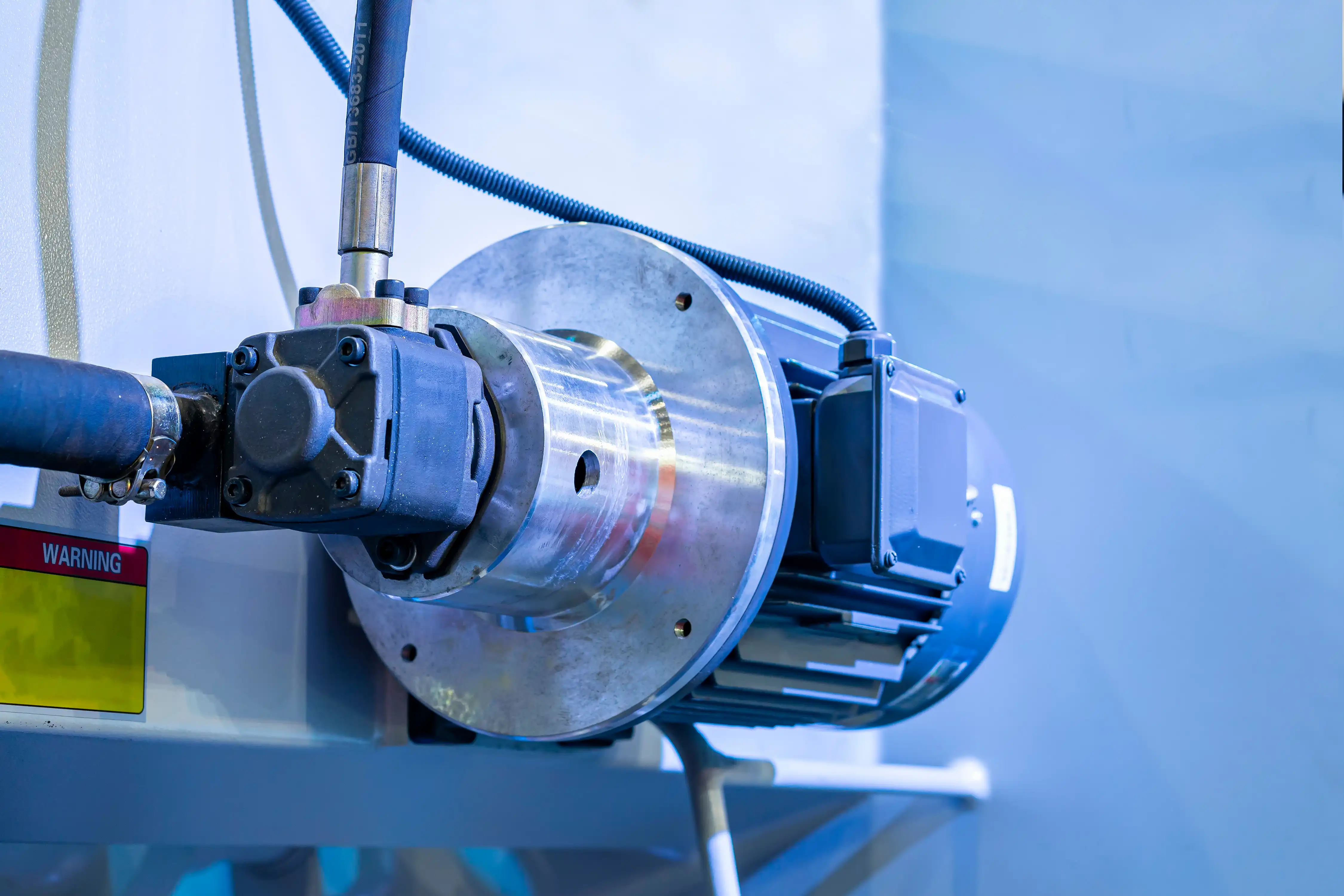
Some failures get misread because hydraulic pump troubleshooting clues overlap. Cavitation is often blamed on the pump when the root cause is a restricted inlet.
- Pressure loss gets pinned on wear when a relief valve is bypassing oil.
- Slow cycle times are sometimes tied to pump failure when fluid viscosity or temperature is the real culprit.
- Jerky motion may come from trapped air or sticky directional control hardware.
That becomes more important in circuits that rely on a 3-way solenoid valve, high-pressure solenoid valves, or older switching hardware. One sticky valve is enough to make a perfectly decent pump look suspect.
When Related Components Deserve Attention
A pump does not work alone. While troubleshooting your hydraulic pump, if the evidence keeps pointing beyond the rotating group, broaden the inspection.
Common Culprits Other Than The Hydraulic Pump
Directional and shutoff components can create major symptoms when they wear, stick, or leak internally. In some systems, Parker Skinner valves, Peter Paul valves, or similar controls may deserve the same attention as the pump. The same goes for air-driven pumps in specialty setups.
Valve and Pump Failures as Symptoms
If contamination has already circulated through the system, swapping one failed part and calling it done often sets you up for the same problem again.
FAQs
- What is the first thing I should check when I am troubleshooting my hydraulic pump if it’s noisy?
Begin with the basics:
- oil level
- oil condition
- anything on the suction sideIn many cases, pump noise comes from aeration, cavitation, or an inlet restriction. Don’t jump to assuming internal damage.
- Can a valve problem look like a pump problem?
Yes. A few common examples include:
- a relief valve stuck partly open
- contaminated seats inside high-flow controls
- internal leakage across directional components
- unstable response from a worn 3-way solenoid valveThose kinds of faults can slow down or reduce pressure.
- When is it time to stop troubleshooting and just replace parts?
Replace parts once testing shows clear wear, repeated bypassing, or damage that adjustment cannot fix.
Get Reliable, Professional Help
If you need help sorting through options – such as a Parker-Skinner valve replacement, Peter Paul valves, or other related controls – contact G&G Hydraulics Corporation, compare product details, and check reviews before ordering.
Closing Thoughts
Work through the basics and test the system under load. Make sure to separate pump trouble from circuit trouble before you start buying parts.
Contact G&G for Direction and Parts
If the evidence points to worn controls, replacement valves, or help with component selection, G&G Hydraulics Corporation can help you sort through hydraulic pump troubleshooting options without guessing. That is usually faster than replacing the wrong part first.

A. Garrett is the President and CEO of G&G Hydraulics Corporation, where he leads with a passion for innovation and excellence. He holds a Finance MBA and a Mechanical Engineering degree specializing in high-pressure hydraulics and fluid dynamics, with additional specializations in mechatronics. Under his leadership, G&G has become a leading supplier of hydraulic and pneumatic components and accessories. Garrett has spearheaded the company’s growth and development, driving advancements in technology and prioritizing top-notch customer service...
Comment(s)
Recent Posts

Single-Acting vs Double-Acting Hydraulic Cylinders
July 13, 2026


How Hydraulics Improve Efficiency in Manufacturing Processes
April 06, 2026

Hydraulics and Pneumatics What's the Difference?
March 30, 2026

How to Prepare Your Hydraulics in Cold Weather
March 23, 2026