


Monthly Archives: May 2024
- Posted: March 13, 2026
 Read more »
Key Takeaways:
- Dry gauges are a solid fit for stable, low-vibration environments.
- Liquid-filled gauges improve readability and life in vibration and pulsation.
- Temperature swings and media exposure can drive the right choice.
- Match the gauge to the application, not just the connection size.
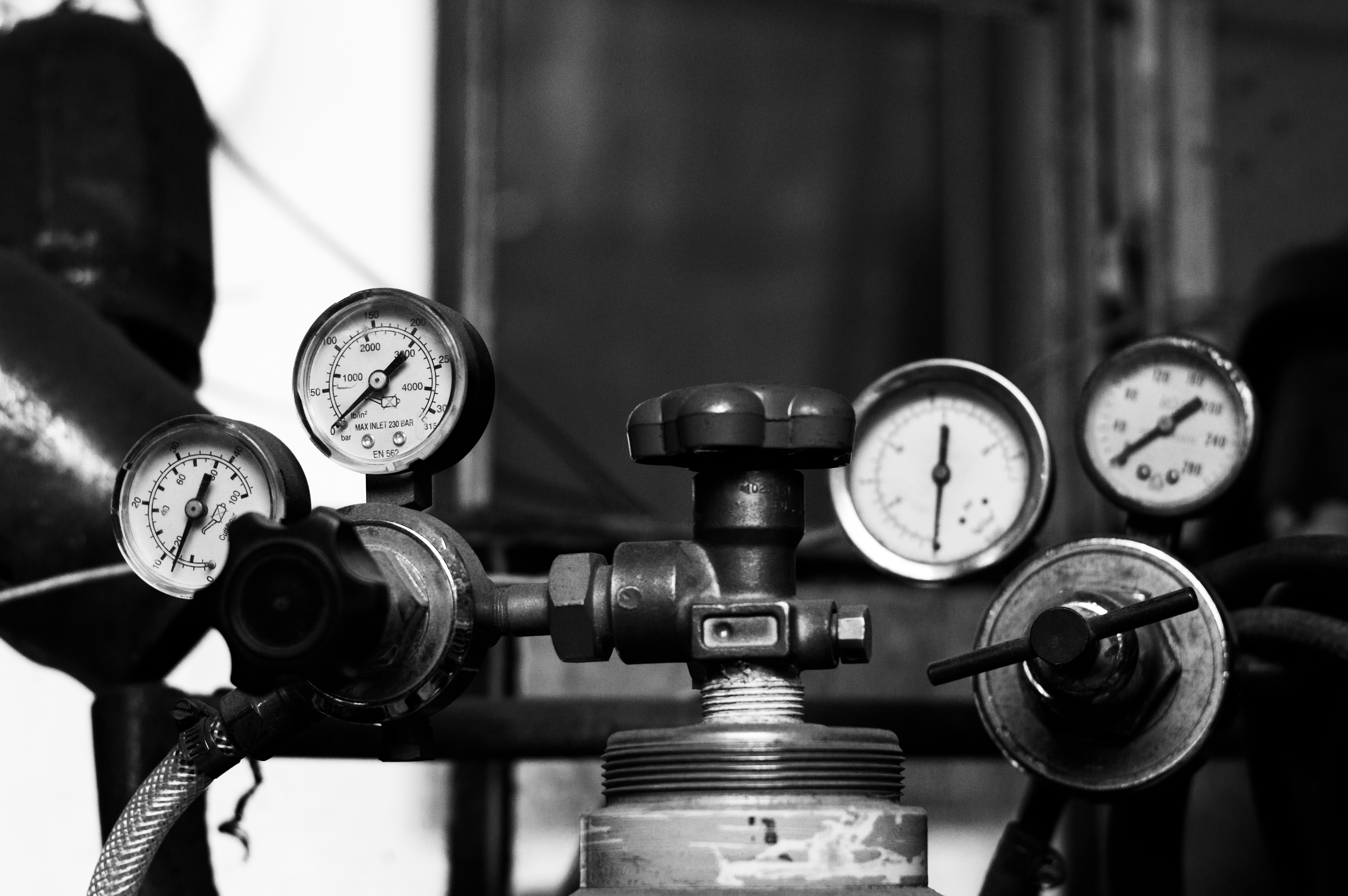
Different pressure gauges might look similar and simple on the surface. A needle, a dial, a number. Then a gauge flutters, fogs up, or fails early, and the “simple” part slows down your whole system. Dry and liquid-filled gauges solve different problems and have distinct applications that need to be mapped out; understanding liquid-filled vs. dry pressure gauges prevents wasted replacements.
Why Gauge Selection Actually Matters
A pressure gauge is how you keep tabs on what’s happening inside a hydraulic
- Posted: August 27, 2025
 Read more »
Key Takeaways:
- Tight, repeatable inspection intervals spot seal leaks long before oil touches the floor, and repairing a hydraulic cylinder is needed.
- Microscopic particles (those you can’t see) cause most bore scoring and rod pitting.
- A methodical teardown sequence (rod, gland, piston, barrel) makes rebuilding hydraulic cylinders easy.
- Proper storage and ISO cleanliness control can considerably lengthen service life on heavy-cycle rams.
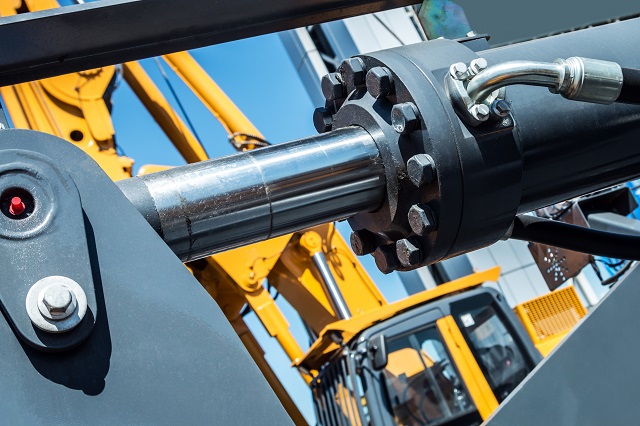
A blown cylinder can bring an entire production line, or a single-man jobsite, to a dead stop, running up costs faster than any preventive program ever will. Regular maintenance is the least glamorous line item on the budget sheet, yet it’s the one that keeps the doors open and the forklifts humming. So let’s go over the basics of repairing hydraulic cylinders.
Set the Schedule, Stick to It
- Posted: May 30, 2025
 Read more »
- Hydraulic systems operate under extreme conditions (180°F+ and 2000+ PSI), creating serious risks, including injection injuries, burns, crushing hazards, and chemical exposure.
- Effective safety requires proper PPE, regular preventive maintenance, and standardized operating procedures to prevent accidents before they occur.
- Clear emergency protocols and regular training ensure proper response to hydraulic injuries and fluid spills when incidents occur despite prevention efforts.
- A structured safety program with risk assessments and documented procedures protects workers while reducing downtime and extending equipment life.
Hydraulic systems drive many industrial processes by utilizing the significant force generated by the pressurized fluid. Although these systems promise reliability and efficiency, they create significant hydraulics safety hazards when not handled correctly. Hydraulic system failures or improper handling practices
- Posted: March 06, 2025
 Read more »
Hydraulic power influences countless industries, from airplane manufacturing to large-scale construction. Whether you run a busy machine shop or manage an automotive repair center, understanding how hydraulics work is essential for achieving efficiency and reliable performance. If you’ve ever wondered, “How do hydraulic systems work?” this blog post explains the principles of how this versatile technology works, as well as the key components, applications, and the maintenance and safety of hydraulic systems.
The Basic Principle of Hydraulics
Hydraulic systems rely on the near-incompressibility of fluids to transmit force. The simplest explanation of how hydraulics work involves pressurized oil moving from one component to another via hoses or tubes. Because liquids don’t compress in the same way gases do, any force applied in one section of the system moves consistently throughout the fluid. This straightforward principle,
- Posted: January 21, 2025
 Read more »
Hydraulics play a critical role in modern manufacturing, powering machines with efficiency and precision. This versatile technology, which uses pressurized fluids to generate motion and force, is the backbone of countless industrial applications. With the right hydraulic systems, manufacturers can manage complex tasks safely and with ease. Their ability to multiply force and provide precise control makes hydraulics indispensable for various manufacturing processes.
Below, we’ll explore the practical applications of hydraulics in manufacturing.
Material Handling
Material handling is one of the most critical aspects of manufacturing. Industrial hydraulics and machines make moving and manipulating heavy objects easier with minimal effort. They provide the strength and control manufacturers need for these demanding tasks. Without hydraulics, the efficiency and safety of handling massive loads, such as raw materials or finished products,
- Posted: January 10, 2025
 Read more »
Hydraulic systems are essential in many industries, driving heavy machinery and precision tools. The importance of hydraulic fluids in these systems is undeniable, as they enable efficient motion control. One critical question you might ponder as winter approaches is: Can hydraulic fluid freeze? Understanding this phenomenon is vital, especially when operating in cold environments where equipment efficiency must be maintained. Here are insights into hydraulic fluid freezing and its impact on operations.
Understanding Hydraulic Fluid
Hydraulic fluid is essential in hydraulic systems and plays a vital role in transferring energy efficiently. There are various types of hydraulic fluids, including water-based, oil-based, and biodegradable. Each type suits different conditions, handling pressure and temperature changes effectively. Choosing the right fluid prevents issues like freezing, which can disrupt operations. By understanding the specific needs of your
- Posted: November 19, 2024
 Read more »
In industrial applications, understanding hydraulics vs. pneumatics is vital for achieving optimal performance, efficiency, and longevity of your hydraulic systems. Both systems rely on fluid power but have fundamental differences. Hydraulic systems harness pressurized liquids like oil, delivering significant force and precision. Pneumatic systems use compressed gases such as air, ensuring cleaner, simpler, and faster operation. Whether you prioritize raw power or swift, lightweight performance, knowing the difference between hydraulic and pneumatic systems is crucial for informed decisions.
Understanding Hydraulics
Hydraulic systems are integral to machines and equipment across industries, particularly construction and aviation. They leverage pressurized liquid, typically oil, for tasks requiring substantial force and accuracy. To effectively compare hydraulics vs. pneumatics, it’s crucial to understand each system’s individual properties,
- Posted: November 05, 2024
 Read more »
In modern manufacturing, efficiency is crucial, and hydraulics play a significant role in ensuring precise control over complex processes. Hydraulic systems optimize manufacturing processes and enhance productivity by using fluid pressure to power machinery. Understanding the impact of hydraulics in manufacturing allows companies to leverage these systems for improved precision, power, and adaptability. Here are some critical insights into how hydraulics improve efficiency in manufacturing.
Key Ways Hydraulics Improve Efficiency
Precision and Control
Hydraulic systems ensure machinery operates with precision by controlling fluid flow for consistent movement. This minimizes variations and errors, reducing waste and improving operational efficiency. For instance, in the automotive industry, hydraulics are used in robotic arms to assemble vehicle parts with pinpoint accuracy, ensuring
- Posted: November 03, 2024
 Read more »
Hydraulic systems are integral to many industries, requiring special care and attention as temperatures drop. Cold weather directly impacts these systems, slowing operations and potentially causing damage. Ensuring proper preparation for your hydraulics in cold weather is vital to keeping your machinery running efficiently and avoiding costly downtimes. So, does cold weather affect hydraulics? Here’s how to prepare your hydraulics for the chilly months and address potential problems.
Choose the Right Hydraulic Fluid
Selecting the appropriate hydraulic fluid is crucial in cold weather. Fluids formulated for freezing temperatures generally have a lower viscosity, so they flow more easily, even in the cold. This adaptability is vital for industries relying on hydraulic efficiency, as it reduces the strain on machinery and ensures smooth
- Posted: October 30, 2024
 Read more »
Solenoid valves are crucial in a wide range of technologies, seamlessly managing fluid and gas flow to enable functionality in many day-to-day and industrial applications. From ensuring seamless hydraulic control in mechanical equipment and airplanes to regulating flow and pressure in drilling and refining processes, they provide efficiency and precision in high-stakes environments. Their simple yet effective electromechanical operation allows for accurate control across various systems.
Before we get into the question, ‘what does a solenoid valve do,’ it’s essential to understand how a solenoid valve works. This not only aids in comprehending the functionality of these critical components but also underscores their significance in the technology that powers critical machinery and equipment.
Principles of Operation
A solenoid valve effectively translates electrical
Recent Posts

Dry vs. Liquid-Filled Pressure Gauges: What's Right for You?
March 13, 2026

Hydraulic Cylinder Maintenance: Best Practices for Longevity
August 27, 2025


How Hydraulics Work
March 06, 2025

How Hydraulics are Used in Manufacturing
January 21, 2025