


7 Types of Modern Hydraulic Systems

As industries evolve, the need for more efficient and powerful machinery has increased. This has led to the development of various types of hydraulic systems to meet the demands of modern industries. These systems play a vital role across various sectors, including aerospace, oil & gas, and construction, driving major technological advancements. Hydraulics have become essential in shaping how we manufacture goods, move around, and carry out large-scale operations.
In this blog post, we’ll explore seven types of modern hydraulic systems while highlighting their specific industrial applications and how they boost operational efficiency in different industries.
1. Open-Loop Hydraulic Systems
Open-loop hydraulic systems, or “non-feedback systems,” are some of the most common and widely used types of hydraulic systems. They operate by using a pump to provide hydraulic fluid at a set flow rate to actuators, such as hydraulic cylinders or motors. The low cost and simplicity of open-loop hydraulic systems make them ideal for industrial applications that don’t require precise control, such as lifting a load or rotating a drill.
In industries like agriculture and construction, open-loop systems offer robust performance and easy maintenance, making them perfect for environments that demand durability and reliability without the need for complex control mechanisms. Their adaptability also makes them suitable for a variety of machinery, enhancing their utility across multiple sectors.
2. Closed-Loop Hydraulic Systems
Closed-loop hydraulic systems, or “feedback systems,” provide more precise control over the actuators by incorporating sensors and feedback loops. These types of hydraulic systems continuously monitor and adjust the flow, pressure, and speed of the actuators. This makes them suitable for applications that require accurate control, such as robotic arm positioning or aircraft control surfaces.
This level of precision is essential in sectors like aerospace and automotive manufacturing, where the slightest inaccuracies can lead to significant issues. These modern hydraulics are ideal for applications involving heavy-duty machinery and high-performance tasks where seamless control and operational efficiency are critical.
3.Pneumatic Hydraulic Systems
Pneumatic hydraulic systems use compressed air or gas instead of traditional hydraulic fluids, which makes them lighter and safer. They’re ideal for applications where safety and cleanliness are paramount, such as food processing or medical equipment. These types of hydraulic systems also offer a unique degree of flexibility, which is beneficial in applications like shock absorbers.
The use of air or gas enables these hydraulic systems to be more responsive and less prone to leakage. This helps reduce maintenance needs and enhances safety in industries where contamination is a concern. Their lightweight build makes them suitable for mobile applications and equipment where weight is a limiting factor.
4. Electro-Hydraulic Systems
Electro-hydraulic systems combine hydraulic and electrical components to control the system’s operation, utilizing electrical signals to control hydraulic actuators. The integration offered by these types of hydraulic systems ensures more precise control, compactness, and ease of integration with other electrical systems. These hydraulic systems are found in applications ranging from automotive braking systems to automated industrial machinery.
They play a vital role in sectors that require a high degree of automation and precision. You’ll also find them in settings where space is limited and system efficiency is crucial, such as urban construction equipment and advanced manufacturing processes.
5.Hybrid Hydraulic Systems
Hybrid hydraulic systems combine multiple technologies to optimize the system’s performance, incorporating components from both open and closed-loop systems, pneumatic systems, and electro-hydraulic systems. This versatility allows these types of hydraulic systems to be customized to meet specific operational requirements, making them suitable for a wide range of applications.
These modern hydraulics are commonly found in the renewable energy sector, where they help stabilize and control mechanical loads in wind turbines and solar tracking systems. Hybrid systems are also becoming increasingly popular in the automotive industry, particularly in developing energy-efficient and high-performance hybrid vehicles.
6. High-Pressure Hydraulic Systems
High-pressure hydraulic systems operate at pressures exceeding 10,000 psi. They use booster assemblies to increase the pressure, which provides exceptional force and power. Essential for demanding applications like aerospace, military, and high-performance industrial machinery, these types of hydraulic systems are also vital in the mining industry for powering high-performance drilling rigs.
The capability to operate under such high pressures makes these hydraulic systems indispensable in settings requiring significant force. These include forging and molding metals, where precise and powerful manipulations are necessary for forming complex shapes.
7. Accumulator Hydraulic Systems
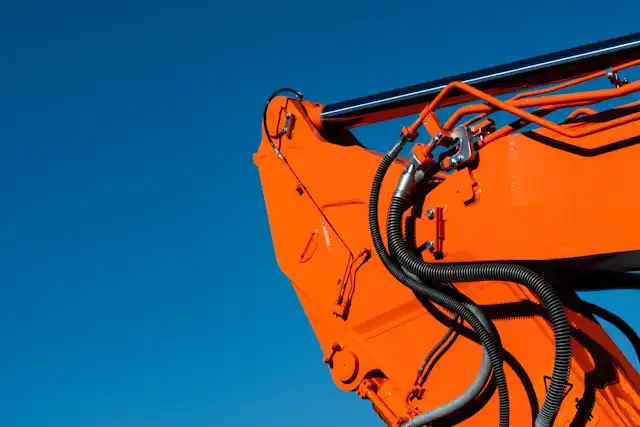
Accumulator hydraulic systems use hydraulic accumulators to store and release hydraulic fluid under pressure, helping maintain consistent pressure and flow while absorbing shock and reducing vibration. These systems are extensively used in heavy machinery and equipment, like excavators or off-road vehicles, to improve stability and performance.
These types of hydraulic systems are also critical in sectors such as oil and gas. They enhance operational efficiency and safety by managing the extreme pressures encountered during drilling and extraction processes. Their ability to mitigate shock and vibration extends the life of industrial machinery while also reducing ongoing maintenance costs.
Harnessing the Power of Modern Hydraulics
The variety of hydraulic systems available today allows engineers and designers to tailor solutions that optimize performance, control, and efficiency in a diverse range of applications. As industries evolve and technology advances, the latest hydraulic systems will continue to play a crucial role in shaping the operational landscapes of various sectors. No matter the applications, these types of hydraulic systems prove to be indispensable tools in our quest for innovation and efficiency.
Key points to keep in mind:
- Engineers can customize hydraulic systems to enhance performance, control, and efficiency for a variety of applications.
- The development of hydraulic technology is moving towards smarter, more adaptable systems that focus on sustainability and energy efficiency.
- The adaptability and continual improvement of hydraulic systems not only boost productivity but also ensure safer and more sustainable working environments.
- As the boundaries of engineering are pushed further, hydraulic systems are set to remain at the forefront of technological advancements, promoting growth and progress across numerous industries worldwide.
Explore Hydraulic Systems at G&G Hydraulics Corporation
At G&G Hydraulics Corporation, we specialize in supplying different types of hydraulic systems that cater to a wide range of industrial demands. Our collaborations with leading brands such as SPX, Parker Han, and SC Hydraulics enable us to offer cutting-edge technologies, from high-efficiency pumps and robust cylinders to precision solenoid valves that enhance oil flow control in complex hydraulic systems.
Whether you need quick disconnects for streamlined maintenance, innovative shock absorption systems designed to extend equipment lifespan, or booster assemblies to elevate standard systems to ultra-pressure capabilities, we’re your leading supplier of hydraulic supplies and accessories. Explore how our modern hydraulic solutions can drive your success. Shop now.



A. Garrett is the President and CEO of G&G Hydraulics Corporation, where he leads with a passion for innovation and excellence. He holds a Finance MBA and a Mechanical Engineering degree specializing in high-pressure hydraulics and fluid dynamics, with additional specializations in mechatronics. Under his leadership, G&G has become a leading supplier of hydraulic and pneumatic components and accessories. Garrett has spearheaded the company’s growth and development, driving advancements in technology and prioritizing top-notch customer service...
0 Comment(s)
Recent Posts

Different Types of Hydraulic Pumps for Real-World Jobs
August 04, 2026


How Hydraulics Improve Efficiency in Manufacturing Processes
April 06, 2026

Hydraulics and Pneumatics What's the Difference?
March 30, 2026