


How Hydraulics are Used in Manufacturing

Hydraulics play a critical role in modern manufacturing, powering machines with efficiency and precision. This versatile technology, which uses pressurized fluids to generate motion and force, is the backbone of countless industrial applications. With the right hydraulic systems, manufacturers can manage complex tasks safely and with ease. Their ability to multiply force and provide precise control makes hydraulics indispensable for various manufacturing processes.
Below, we’ll explore the practical applications of hydraulics in manufacturing.
Material Handling
Material handling is one of the most critical aspects of manufacturing. Industrial hydraulics and machines make moving and manipulating heavy objects easier with minimal effort. They provide the strength and control manufacturers need for these demanding tasks. Without hydraulics, the efficiency and safety of handling massive loads, such as raw materials or finished products, would drastically decline. Material handling applications include:
- Forklifts and Cranes: Hydraulics power forklifts and cranes by enabling smooth lifting and lowering of heavy loads. The hydraulic pump generates pressure, allowing forklifts to raise pallets swiftly. Cranes use similar technology, relying on hydraulic cylinders for stability and precision when handling overhead loads, from steel beams to machinery components. This application of hydraulics in manufacturing ensures accurate and safe placement even under high-pressure production schedules.
- Conveyors and Loaders: Conveyors and loaders driven by hydraulics ensure consistent material flow in manufacturing lines. These systems allow for smooth transitions between processes, reducing stoppages. Hydraulic loaders can carry raw materials into machines or onto conveyors, speeding up production and boosting efficiency. They also handle repetitive tasks, reducing physical strain on workers and minimizing operational delays.
Hydraulic Presses and Machining
Hydraulic systems are integral to shaping and cutting materials in manufacturing. Their ability to apply tremendous force precisely makes them invaluable. That’s why many manufacturers rely on hydraulics in manufacturing to consistently perform repetitive, high-force tasks, which is crucial for industries needing durable, high-quality products. Applications include:
- Metal Forming: In metal forming, hydraulic presses exert significant pressure to bend, punch, and forge metals into specific shapes. These machines are vital for creating automobile parts or structural components, where exact measurements are essential. Additionally, their reliability ensures large-scale production lines meet tight tolerances without compromising performance.
- CNC Machinery: Computer Numerical Control (CNC) machines rely on industrial hydraulics and machines for enhanced accuracy. The controlled pressure helps regulate movement, ensuring precise machining of intricate designs on metals, plastics, and other materials. This precision, enabled by hydraulics in manufacturing, reduces waste while improving quality. Hydraulic-powered CNC equipment also allows manufacturers to tackle more complex designs and expand production capabilities.
Assembly and Automation Systems
Hydraulics bring precision and strength to assembly lines. From robotic operations to secure component handling, they contribute across the board in automated systems. Hydraulics support seamless integration of robotic and manual processes by improving efficiency and accuracy. Applications include:
- Robotic Actuation: Hydraulics-powered robotic arms can lift heavier loads than their electric-based counterparts. This makes them well-suited for tasks requiring force alongside precision, such as assembling heavy machinery or placing components in hard-to-reach areas. Their flexibility allows manufacturers to adapt robots for various applications, increasing versatility on production lines.
- Clamping Fixtures: Hydraulic clamps are essential for holding components in place during assembly. Engineers optimize hydraulics in manufacturing systems like these to ensure stability while preventing errors caused by movement. Whether welding parts or applying adhesives, hydraulic clamps ensure consistent results. Improving control also reduces assembly defects and improves overall product reliability.
Injection Molding and Forming
Hydraulics are crucial when shaping plastics and metals in molding processes. They allow manufacturers to meet high-volume demands without compromising quality. Hydraulic systems’ flexibility caters to small-scale customization and large-scale batch manufacturing. Applications include:
- Injection Molding Machines: In injection molding, hydraulics maintain the clamping pressure needed during the plastic injection process. This keeps molds aligned and prevents defects like warping or flashing. Industries producing everyday items such as packaging containers or automotive parts rely heavily on this process. Hydraulic-driven molding machines in manufacturing also help achieve faster cycle times, boosting productivity significantly.
- Bending and Forging Equipment: Industrial hydraulics and machines used in bending and forging achieve precise shaping in metal pieces. By applying consistent force, they create durable components for industries like construction or aerospace. No other system offers this level of control combined with power. This level of precision allows manufacturers to meet the strict standards of industries requiring strong and reliable components.
Maintenance and Testing
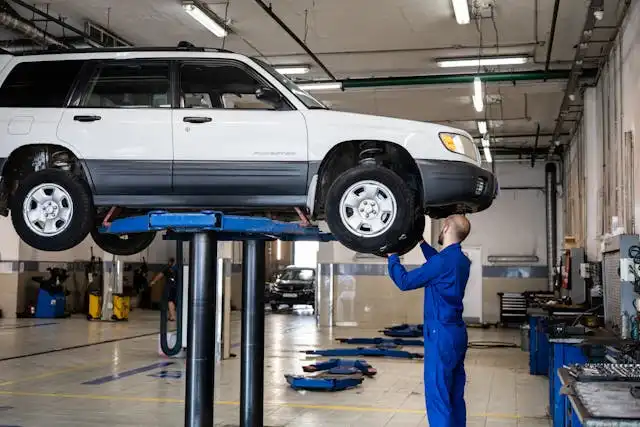
Hydraulic tools simplify maintenance tasks, making them safer and faster. They’re also used to test equipment reliability. Their integration improves operational performance and equipment longevity, saving manufacturers time and costs. Applications include:
- Hydraulic Lifts: Hydraulic lifts provide access to large industrial machines during maintenance. By raising machinery safely, technicians can inspect and repair equipment efficiently. These lifts form a core part of hydraulics in manufacturing by helping eliminate the strain of manual lifting and reduce workplace injuries. They’re essential for maintaining uptime in facilities with heavy-duty equipment.
- Test Stands: Hydraulic systems power test stands for simulating stress and strain on machinery parts. This testing reveals potential weaknesses. By recreating real-world conditions, manufacturers ensure reliable and durable products. Hydraulic-driven tests are highly accurate, allowing manufacturers to meet rigorous safety and performance standards in their equipment.
Learn More About Hydraulic Systems
Hydraulics in manufacturing offer unmatched flexibility, consistent power, and exact control, making them indispensable across industries. These systems simplify complex manufacturing tasks from material handling to forming, assembling, and testing while ensuring safety and precision. For manufacturers, embracing hydraulic innovations means staying competitive in an ever-evolving world. As technology advances, we can expect industrial hydraulics and machines to become more energy-efficient and integrated into smart manufacturing environments.
Learn more about hydraulic systems on our blog at G&G Hydraulics and explore high-quality hydraulic supplies and accessories from a Certified seller. All our products come with a risk-free guarantee.

A. Garrett is the President and CEO of G&G Hydraulics Corporation, where he leads with a passion for innovation and excellence. He holds a Finance MBA and a Mechanical Engineering degree specializing in high-pressure hydraulics and fluid dynamics, with additional specializations in mechatronics. Under his leadership, G&G has become a leading supplier of hydraulic and pneumatic components and accessories. Garrett has spearheaded the company’s growth and development, driving advancements in technology and prioritizing top-notch customer service...
Comment(s)
Recent Posts


Different Types of Hydraulic Pumps for Real-World Jobs
August 04, 2026


