


How a Solenoid Valve works
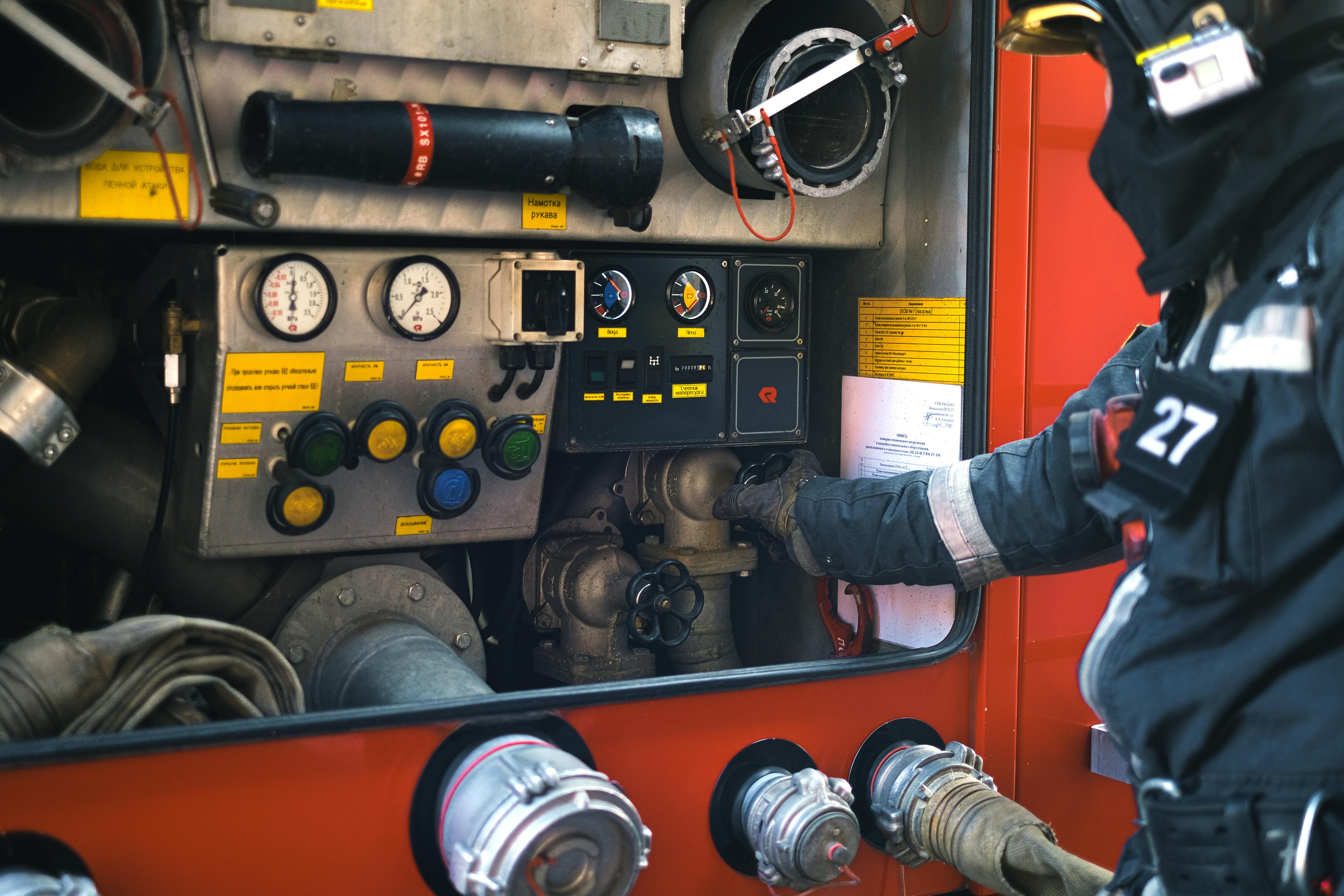
Solenoid valves are crucial in a wide range of technologies, seamlessly managing fluid and gas flow to enable functionality in many day-to-day and industrial applications. From ensuring seamless hydraulic control in mechanical equipment and airplanes to regulating flow and pressure in drilling and refining processes, they provide efficiency and precision in high-stakes environments. Their simple yet effective electromechanical operation allows for accurate control across various systems.
Before we get into the question, ‘what does a solenoid valve do,’ it’s essential to understand how a solenoid valve works. This not only aids in comprehending the functionality of these critical components but also underscores their significance in the technology that powers critical machinery and equipment.
Principles of Operation
A solenoid valve effectively translates electrical energy into mechanical motion through the principles of electromagnetism. When the solenoid receives an electric signal from a switch, an electric current flows through its helically wound wire, which serves as the coil. This process marks the initial stage of operation. The generated current drives the solenoid’s functionality, sparking the transformation from electrical to mechanical energy. To fully understand how a solenoid valve works, it’s important to highlight its principles of operation as outlined below:
Electric Current Activation
As the electric current flows through the coil, a magnetic field is created. The strength and intensity of this magnetic field hinge upon two primary factors: the current’s magnitude and the coil’s number of turns. An increase in either factor amplifies the magnetic pull. This magnetic field forms the next critical phase of the solenoid’s operation. The field energizes the system and sets the stage for the solenoid’s mechanical action—a motion driven purely by magnetic forces that helps answer the question, ‘What does a solenoid valve do.’
Plunger Movement and Magnetic Influence
Within this magnetic field lies a central piece called the plunger, a metallic core capable of movement. When the magnetic field sufficiently intensifies, it exerts a force on the plunger, drawing it towards the coil’s center. This movement is the solenoid’s definitive mechanical action, demonstrating how a solenoid valve works. The plunger’s movement results from the magnetic field’s influence, showcasing the direct conversion of electrical energy into mechanical energy. Understanding this basic principle is key to grasping the solenoid’s role in controlling and managing fluid or gas flow.
Opening or Closing Action
The subsequent step involves the plunger’s interaction with a valve mechanism. Depending on the solenoid’s specific design, the plunger’s movement results in either the opening or closing of a valve. This action controls the fluid or gas flow within the system, highlighting its vital role in ensuring efficient performance and operational reliability. Solenoids play a vital role in regulating system dynamics in many industrial applications, reflecting their crucial function in everyday technology. By grasping how a solenoid valve works in terms of valve mechanism, professionals can effectively maintain system efficiency and troubleshoot issues within various industrial applications.
Return to Original Position
Once the electrical current ceases, the magnetic field dissipates, and the system requires a mechanism to reset. Here, the solenoid relies on either a spring mechanism or the force of gravity to return the plunger to its original position. This return ensures that the solenoid is ready for the next cycle of operation. Understanding these final stages of how a solenoid valve works provides additional clarity about the device’s seamless transformation between electrical and mechanical states. With its ability to control flow and motion, a solenoid is indispensable in modern engineering and technology, illustrating not only how it performs but also reinforcing what a solenoid valve does in its broader operational context.
The Benefits of Solenoid Valves

Solenoid valves are renowned for their ability to provide precise control, fast response times, and durability, making them critical for industries like aerospace, oil and gas, laundry, pharmaceuticals, and beyond. Thanks to their operational efficiency, reliability, and precise fluid management, as highlighted in how a solenoid valve works, they’re indispensable in hydraulic systems where even the slightest deviation in fluid control can lead to significant performance issues or safety risks.
Learn More About Hydraulic Components at G&G Hydraulics
At G&G Hydraulics, we’re committed to helping you understand the functioning of critical hydraulics components like solenoid valves, hydraulic pumps, and hydraulic cylinders. Explore our blog for more resources that share practical knowledge and insights, including questions related to ‘What does a solenoid valve do?’ or ‘How does a hydraulic jack work?’ Ready to optimize your hydraulic systems? Discover certified hydraulic supplies and accessories at our online store. Our robust product lineup ensures you have access to industry-leading solutions.

A. Garrett is the President and CEO of G&G Hydraulics Corporation, where he leads with a passion for innovation and excellence. He holds a Finance MBA and a Mechanical Engineering degree specializing in high-pressure hydraulics and fluid dynamics, with additional specializations in mechatronics. Under his leadership, G&G has become a leading supplier of hydraulic and pneumatic components and accessories. Garrett has spearheaded the company’s growth and development, driving advancements in technology and prioritizing top-notch customer service...
Comment(s)
Recent Posts

Different Types of Hydraulic Pumps for Real-World Jobs
August 04, 2026

Single vs. Double-Acting Hydraulic Cylinders
July 13, 2026


How Hydraulics Improve Efficiency in Manufacturing Processes
April 06, 2026

Hydraulics and Pneumatics What's the Difference?
March 30, 2026